lasttr
The Daintree Rainforest, a prominent hotspot of biodiversity and a UNESCO World Heritage site, is situated in the Far North Queensland on the northeast coast of Australia. Spread across an expanse of about 1,200 square kilometers, it is a part of the largest continuous area of tropical rainforest on the Australian continent.
Geography
The spectacular Daintree Rainforest in Australia is neatly tucked between two World Heritage areas – The Great Barrier Reef to its east and the Australian Wet Tropics to its west. The Rainforest stretches from the Daintree River in the South to the Bloomfield River in the North, with the Mossman Gorge at its Southern extremity.
- Daintree River: The Daintree River, one of the most potent rivers in Australia, carves its way through the rainforest, being a significant part of the Rainforest’s ecosystem.
- Bloomfield River: The Bloomfield River is the northern limit of the Daintree, home to various wildlife and feeds into the marine life as well.
The forest terrain varies approximately from sea level to 1,200 meters, providing an intriguing gradient of ecological niches.
| Location | Significance |
|---|---|
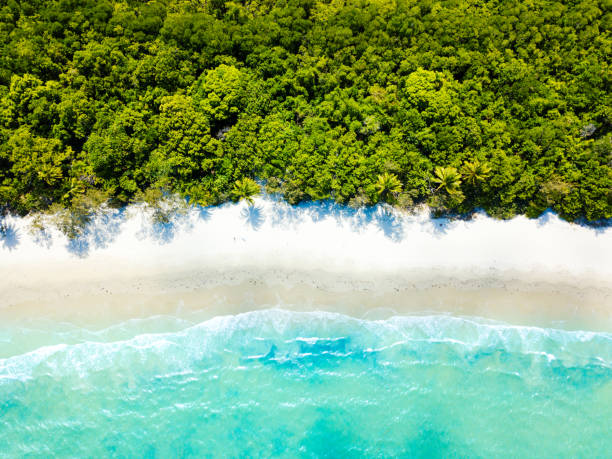
| Cape Tribulation | This peninsular point marks the convergence of the Daintree Rainforest with the Great Barrier Reef. |
| Mossman Gorge | Renowned for its pristine waterholes surrounded by large granite boulders and lush rainforest. |
| Mount Alexandra Lookout | Offers panoramic views of the forest, rivers, and the Pacific Ocean. |
Climate
Possessing a tropical climate, the Daintree Rainforest experiences high annual rainfall, reaching its peak during the summer months (December to March). This heavy rainfall combined with the region’s high humidity play a significant role in supporting the richly diverse ecosytem, including a myriad of Daintree Rainforest animals that have adapted to this unique climate. However, a distinctive Daintree Rainforest fact is its dry season; unlike other tropical rainforests, the Daintree has a prominent dry season from May to September, which impacts its plant life and animal behavior.
History and Significance
The Daintree Rainforest is an extraordinarily special place steeped in history and cultural significance. While it is believed to be approximately 180 million years old, its modern custodians have been the Indigenous Kuku Yalanji people, who have called the region home for over 9000 years. They named it ‘Daintree’ after Richard Daintree, the noted Australian geologist and photographer.
The significance of the Daintree Rainforest is not just historical; it holds crucial significance in both scientific and conservation fields. It is home to an astounding 30% of Australia’s frog, reptile, and marsupial species, approximately 65% of Australia’s bat and butterfly species, and around 20% of Australia’s bird species, thereby making it an ecological powerhouse.
The rich ecology and captivating landscapes make exploration of the Daintree Rainforest a thrilling adventure. There are many things to do in the Daintree Rainforest, such as taking guided tours, experiencing the indigenous culture and food, and exploring the region’s unique flora and fauna. This will be further expanded in the ‘Tourism’ section of the article.
Flora and Fauna
The Daintree Rainforest boasts an impressive array of plant species. A great variety of ferns, orchids, epiphytes, and palms can be found here, representing the evolutionary history of plant life on Earth. Daintree Rainforest is home to the highest number of primitive flowering plant families in the world, affirming its global standing in biodiversity.
For every plant species, there are several Daintree rainforest animals to go along. The rainforest teems with both Australian native species and many unique species that are endemic to this area. From small insects to larger marsupials, the animals of the Daintree represent extensive biodiversity.
Iconic Species
The Daintree’s iconic species are among the many reasons why it has global scientific and conservational value. Here are a few examples:
- Southern Cassowary: An endangered species, the Southern Cassowary is an important part of the rainforest ecosystem.
- Saltwater Crocodile: The Daintree River is a famous habitat for the Saltwater Crocodile.
Conservation Efforts
Given its rich diversity and enthralling species, the Daintree Rainforest faces extensive conservation efforts. From local community groups to government bodies, many are actively involved in preserving its natural balance.
Tourism
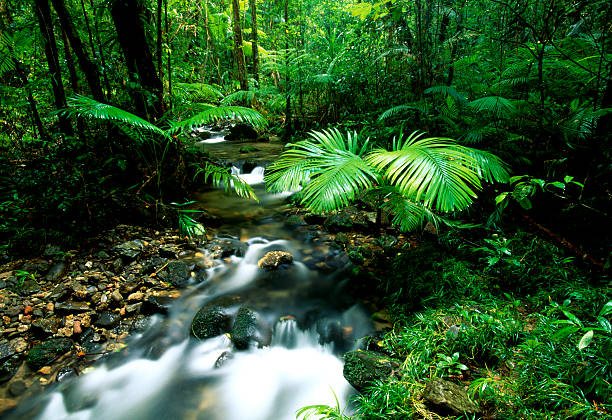
The Daintree Rainforest is a popular tourist destination, offering an authentic tropical rainforest experience. Visitors are captivated by the extreme biodiversity, stunning scenery, and tranquil wilderness.
Activities in the Daintree Rainforest
Exploring the forest can be adventurous and enlightening. There are various things people can do in the Daintree Rainforest, whether they are adventure enthusiasts or nature lovers.
- Rainforest Walking Tours: These tours provide an opportunity to experience the Daintree intimately.
- River Cruises: Cruises offer close-up views of the mangrove forests and aquatic life.
Impact and Future
Though it is a protected site, the Daintree Rainforest faces rising threats like climate change, invasive species, and habitat loss. Balancing the delicate ecosystem, supporting local communities, and growing tourism can be a tightrope walk. Sustainability is vital to ensure the Daintree Rainforest remains a beacon of biodiversity.
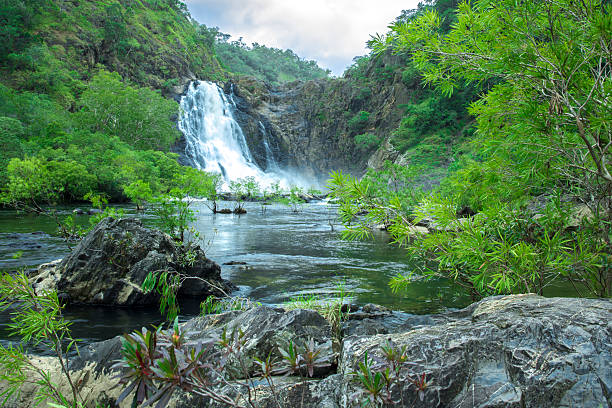
In a nutshell
Concluding, the Daintree Rainforest in Australia is not just a breathtaking heritage site but a vital ecological stronghold. Its geographical location, varied climate, rich biodiversity, historical significance, and tourist potential make it an unforgettable part of Australia’s natural landscape.
FAQ
1. What is the best time to visit the Daintree Rainforest? The dry season, from June to October, is generally considered the best time to visit due to warm temperatures and lower rainfall.
2. Are there endangered species in the Daintree Rainforest? Yes, Daintree Rainforest is home to several endangered species, including the Southern Cassowary and Musky Rat Kangaroo.
3. How large is the Daintree Rainforest? The Daintree Rainforest covers approximately 1,200 square kilometers.
4. Why is the Daintree Rainforest unique? The Daintree is unique due to its age, diversity, and the fact it is the place where two World Heritage sites – the Great Barrier Reef and the Australian Wet Tropics – meet.
5. Can I stay the night in the Daintree Rainforest? Yes, there are several accommodation options available for tourists ranging from luxury lodges to affordable hostels.