lasttr
Ask ten Aussies where the Hunter Valley starts and ends, and you’ll get ten different answers — especially after a few tastings. The truth is the Hunter isn’t a single line on a map but a patchwork of vineyards, sandstone ranges and country towns that have grown together over two centuries of wine, work and weather. Blue Mountains Tours guests ask me the same question on our 1 Day Hunter Valley Wine Tour, so let’s settle the question once and for all — from the first vines near Wollombi to the northern edge of Denman.
The Real Wine Country
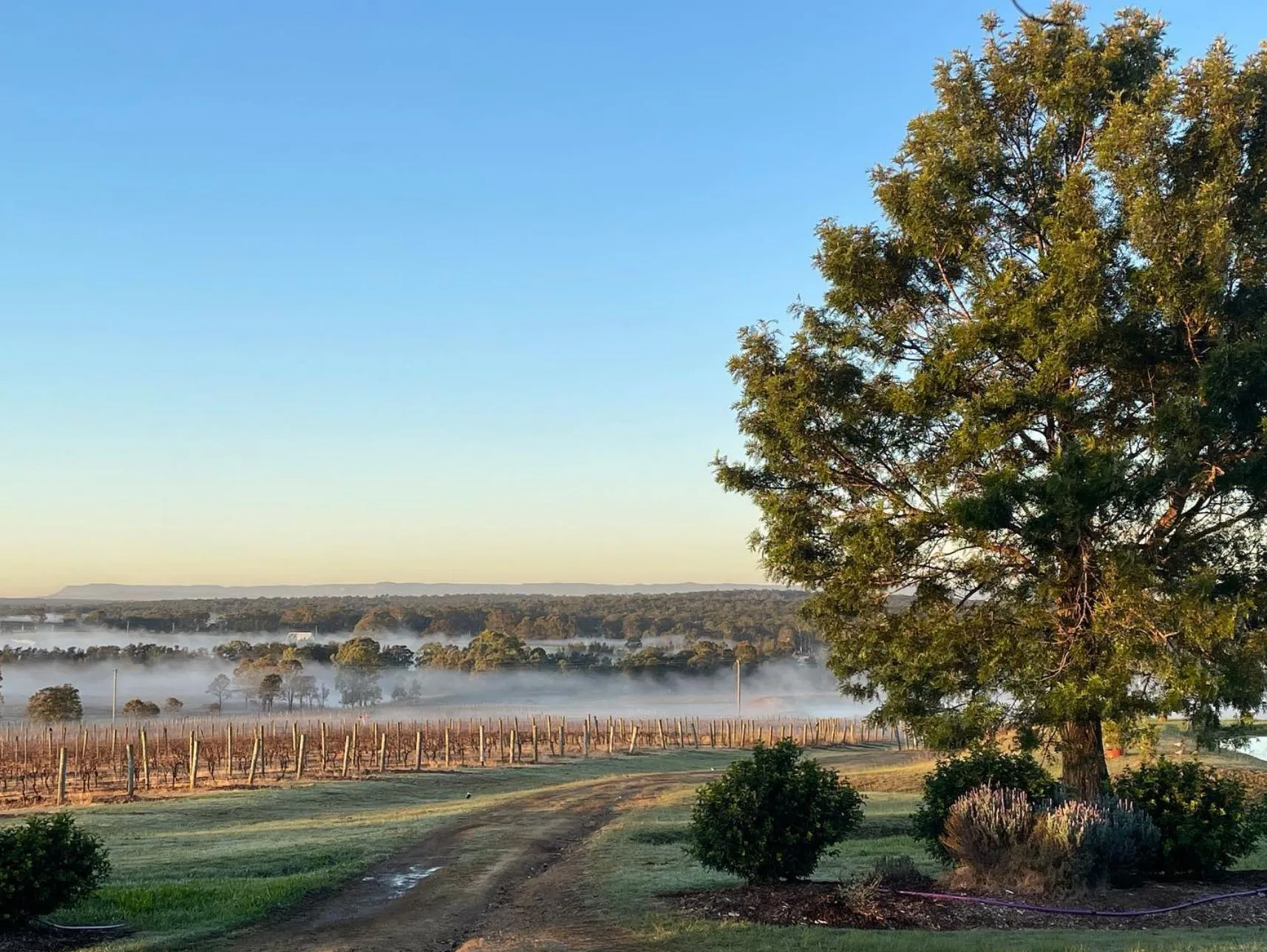
The Hunter Valley begins just beyond the Hawkesbury River, around the foothills of the Broken Back Range and stretches north through Pokolbin, Cessnock and Singleton, all the way to Muswellbrook and Denman. The region follows the Hunter River like a lazy brown ribbon through the heart of New South Wales — about 150km long and 80km wide at its widest point.
It’s one of Australia’s oldest wine-growing regions, dating back to the 1820s when James Busby planted the first vines. Over the years, farmers have swapped their cattle yards for cellar doors and turned the valley into one of the country’s most famous wine regions.
| Sub-Region | Key Towns | Driving Distance from Sydney | Famous For |
|---|---|---|---|
| Lower Hunter | Cessnock, Pokolbin, Lovedale | 2 hrs | Semillon, Shiraz, boutique cellar doors |
| Upper Hunter | Singleton, Muswellbrook, Denman | 3 hrs | Large-scale wine production, horse studs |
| Broke-Fordwich | Broke, Milbrodale | 2.5 hrs | Biodynamic vineyards, scenic tranquillity |
| Wollombi Valley | Wollombi, Laguna | 2 hrs | Heritage village life, sandstone ridges |
| Barrington Tops Fringe | Scone, Gloucester | 3.5 hrs | Cool-climate varietals, National Parks access |
Following the River: How the Valley Unfolds
The Hunter River rises in the Barrington Tops National Park, a high, misty plateau where lyrebirds call through the gums. Downstream, it meanders through cattle country and sandstone ridges before flattening out into wine country. Each bend brings new terroir — sandy loams near Pokolbin, red clay through Broke, shale around Denman. Those subtle soil shifts make for an incredible range of Australian wine, from crisp Semillon to earthy Shiraz.
When I first followed the Hunter for Get Lost Travel, I found it easier to think of the valley as a series of connected landscapes rather than a single zone. The wine region isn’t just one block of vineyards; it’s dozens of micro-climates shaped by altitude, rainfall and old river sediments.
The Beating Heart of the Vineyards
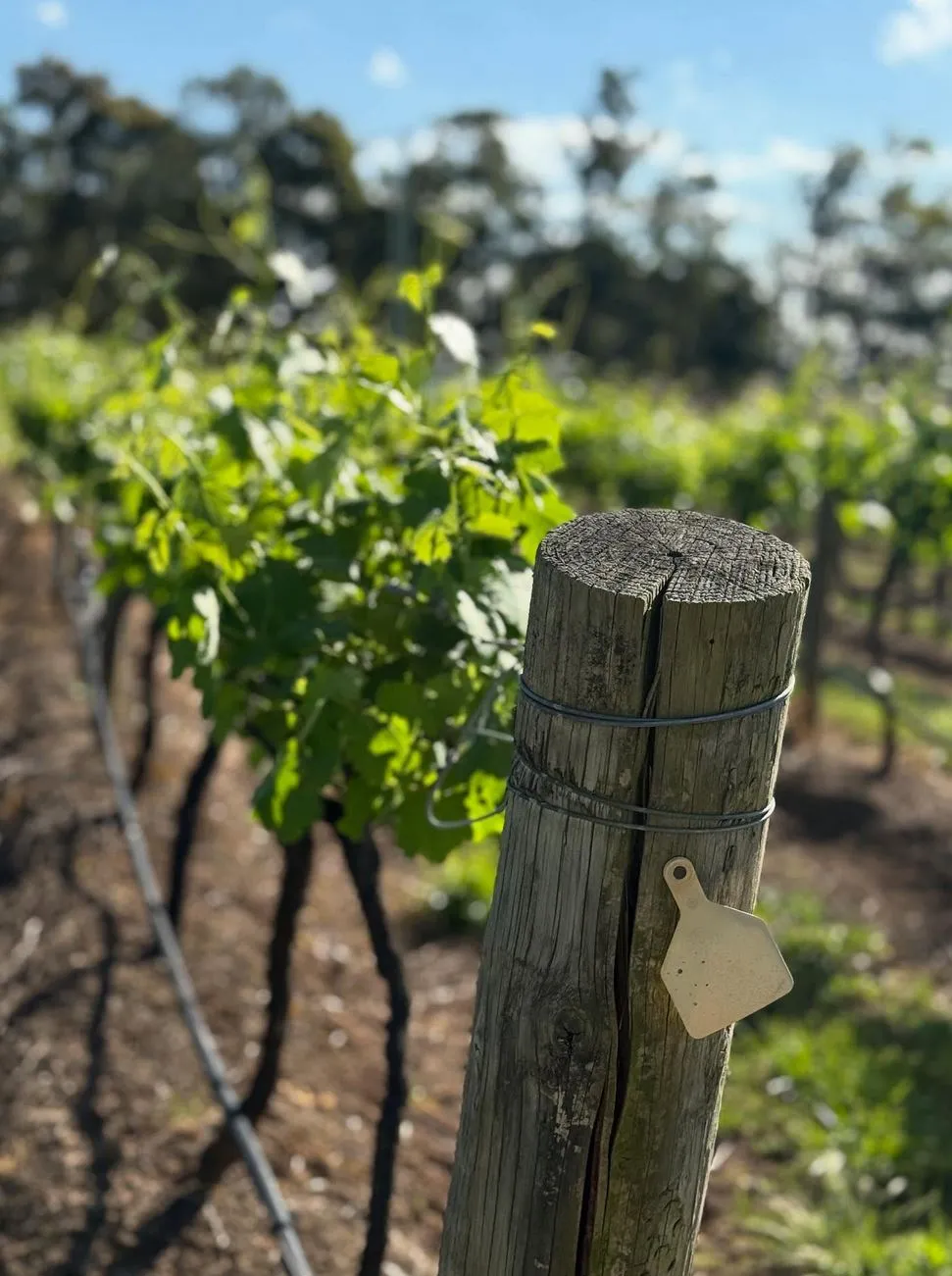
Most visitors start in the Lower Hunter, home to the big names — Pokolbin, Lovedale and Mount View. This is where the valley really comes alive: cellar doors every few km, wine tastings on verandas, and vineyards stretching to the horizon.
If you only have one day, a 1 Day Hunter Valley Wine Tour will give you the best snapshot: three to four tastings, a vineyard lunch and a cheeky cheese or chocolate stop. It’s the easiest way to try the region without being the designated driver.
Look out for:
- Biodynamic vineyards are experimenting with minimal intervention wines.
- Wine tasting master classes comparing vintage Semillon flights.
- Scenic helicopter rides over Pokolbin’s patchwork.
- Landscaped gardens and art installations at wineries like Tyrrell’s and Brokenwood.
Where the Paddocks Meet Progress
North of Singleton, the valley opens up into open plains. Here, the Hunter’s wine heritage meets modern industry — coal, thoroughbreds and, more recently, advanced manufacturing that supports everything from bottling equipment to renewable energy projects.
You’ll still find family-run vineyards between horse studs and paddocks. Around Denman and Jerrys Plains, the climate is hotter and drier, perfect for full-bodied reds. Travellers heading this way can mix a wine tasting or two with a visit to Wollemi National Park or a lazy picnic by the river. I’ve taken many small groups from Blue Mountains Tours this far, and they always comment on how different the landscape feels — less touristy, more wild. It’s still the Hunter, just a bit more rustic.
Broke-Fordwich and Wollombi: The Hidden Gems
If Pokolbin is the valley’s A-lister, Broke and Wollombi are its B-sides. The Broke-Fordwich sub-region is all about sustainable farming and biodynamic vineyards, where you’re more likely to meet the winemaker than a tour bus.
Off-road enthusiasts love the drive between Broke and Milbrodale — dusty, scenic and full of wildlife. Horse riders often follow the old stock routes that wind between the vines.
Further south, Wollombi feels like a time warp with sandstone pubs, colonial cottages and community events like the quirky Sculpture in the Vineyards festival. It’s technically where the valley starts if you’re coming from Sydney, so it’s the symbolic entrance to the wine region.
Beyond the Vines: Parks, Balloons and Bush Tracks
The Hunter isn’t all Shiraz and Semillon. A good map will show how the valley edges onto some of NSW’s best National Parks — Watagans, Wollemi and Barrington Tops. Bushwalkers can swap wine glasses for walking sticks and hit trails lined with grass trees, rock orchids and waterfalls.
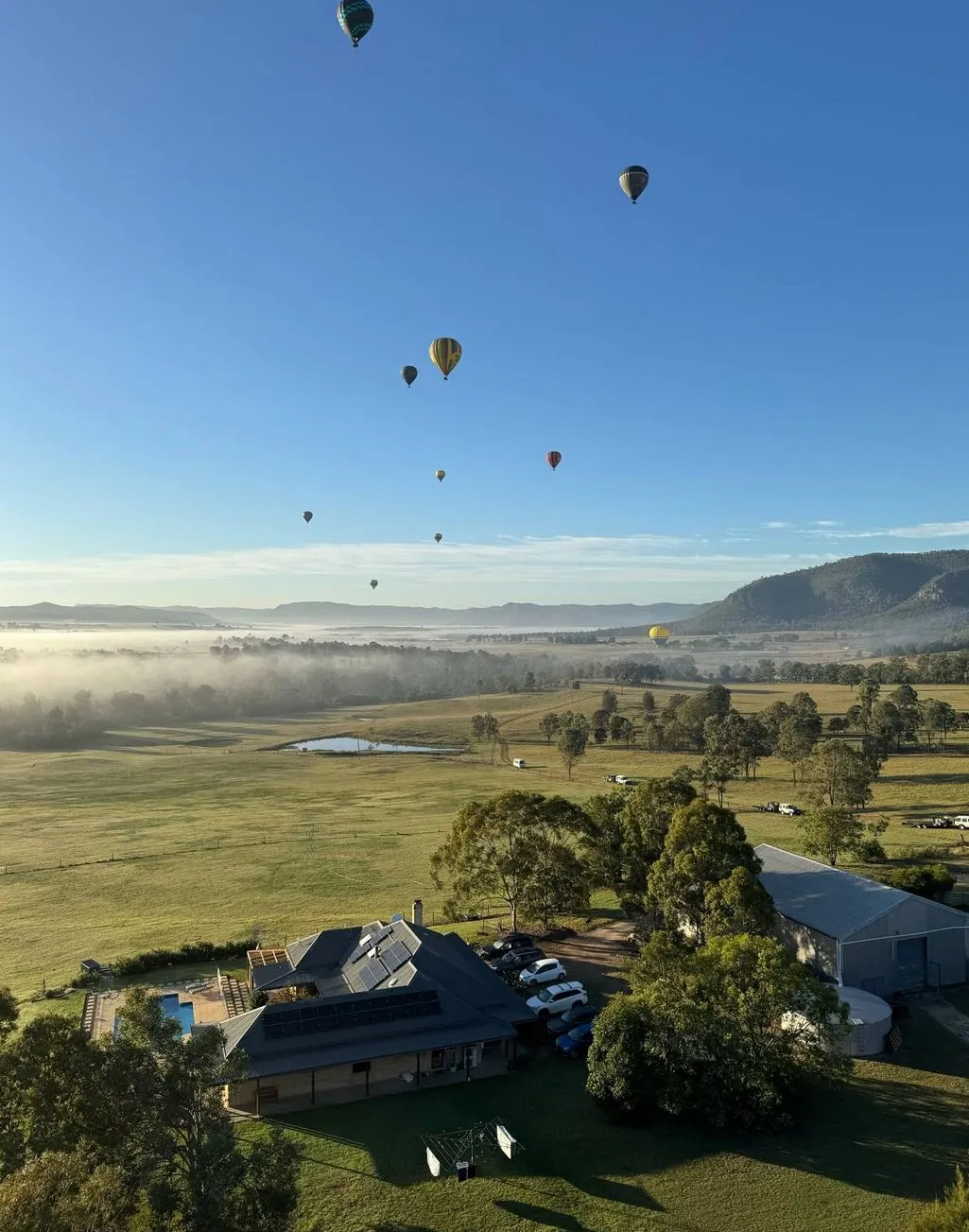
For something more gentle, sunrise hot air balloon flights drift over Pokolbin and Lovedale and give you a painter’s palette view of the vines. I’ve done it twice, and every time the light spills across the valley like honey. There’s no better way to understand how big — and how loose — this region really is.
One Day in the Hunter
Short on time? A 1 Day Hunter Valley Wine Tour still packs a lot in if you plan smart. Here’s a quick checklist to keep you on track:
Morning
- Depart Sydney early (around 7 am).
- Stop in Wollombi for coffee and a bit of history.
Midday
- Wine tasting master class at a Pokolbin vineyard.
- Lunch among the gardens at a boutique estate.
Afternoon
- Biodynamic vineyard in Broke.
- Optional helicopter ride or cheese pairing before heading home.
Pro Tip: Check your online travel booking confirmations early and make sure connection verification is on if you’re paying through third-party sites — it keeps your website secure and your trip stress-free.
Modern Life Among the Vines
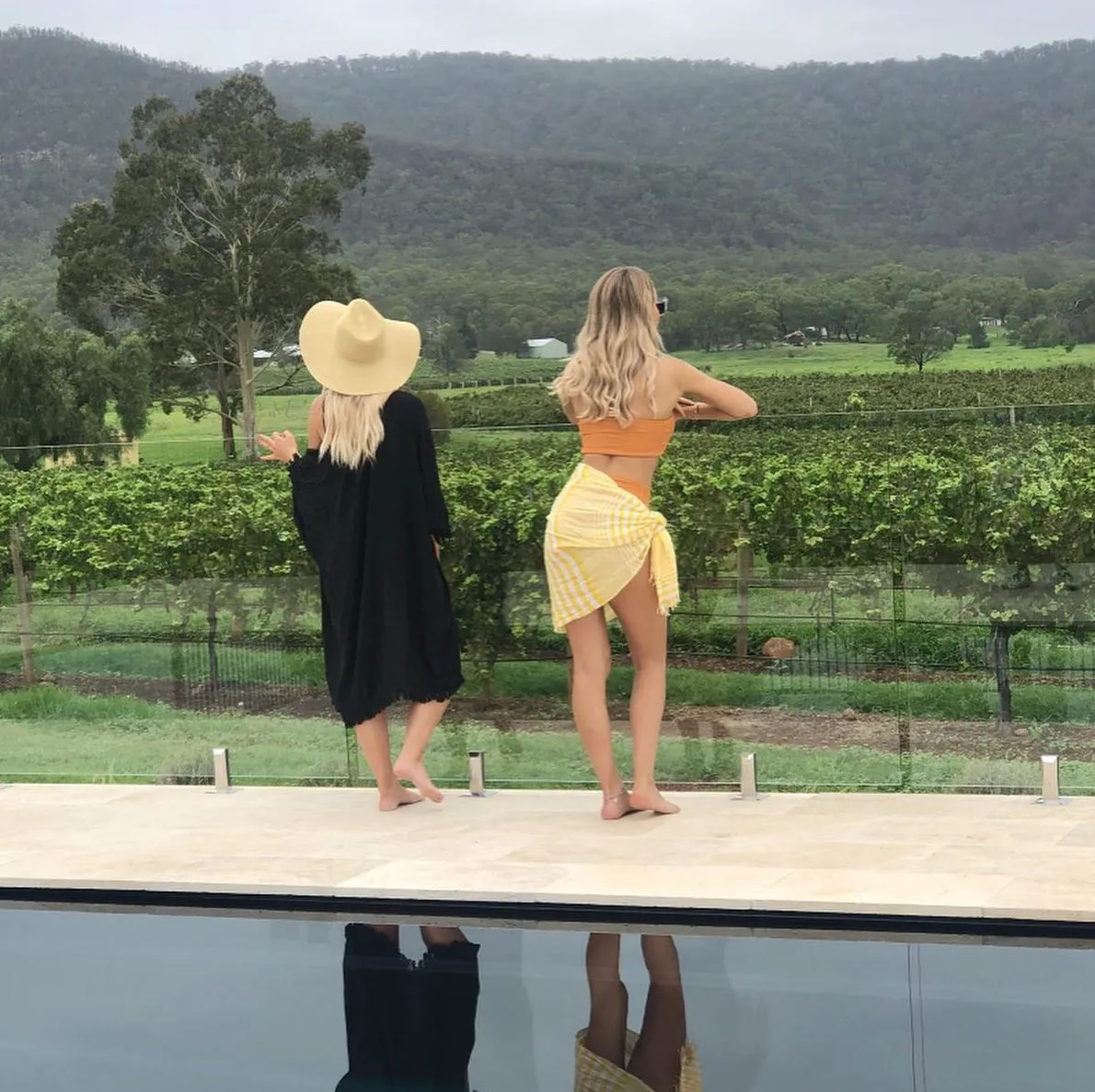
Today’s Hunter Valley isn’t just about grapes and getaway weekends. It’s a living region with deep agricultural roots and a fast-changing economy. Alongside vineyards, you’ll find equine breeders, renewable energy projects and tech firms contributing to advanced manufacturing. That mix of old and new keeps the valley relevant — a place where soil, science and community spirit all have their place.
Local councils and winemakers have been working together to improve sustainable tourism practices. Blue Mountains Tours partners with small operators who put environmental care and cultural respect first. We always acknowledge the Traditional Owners of the land — the Wonnarua people — whose connection to Country goes way back before any grapevine.
Tracing the Final Miles of the Valley
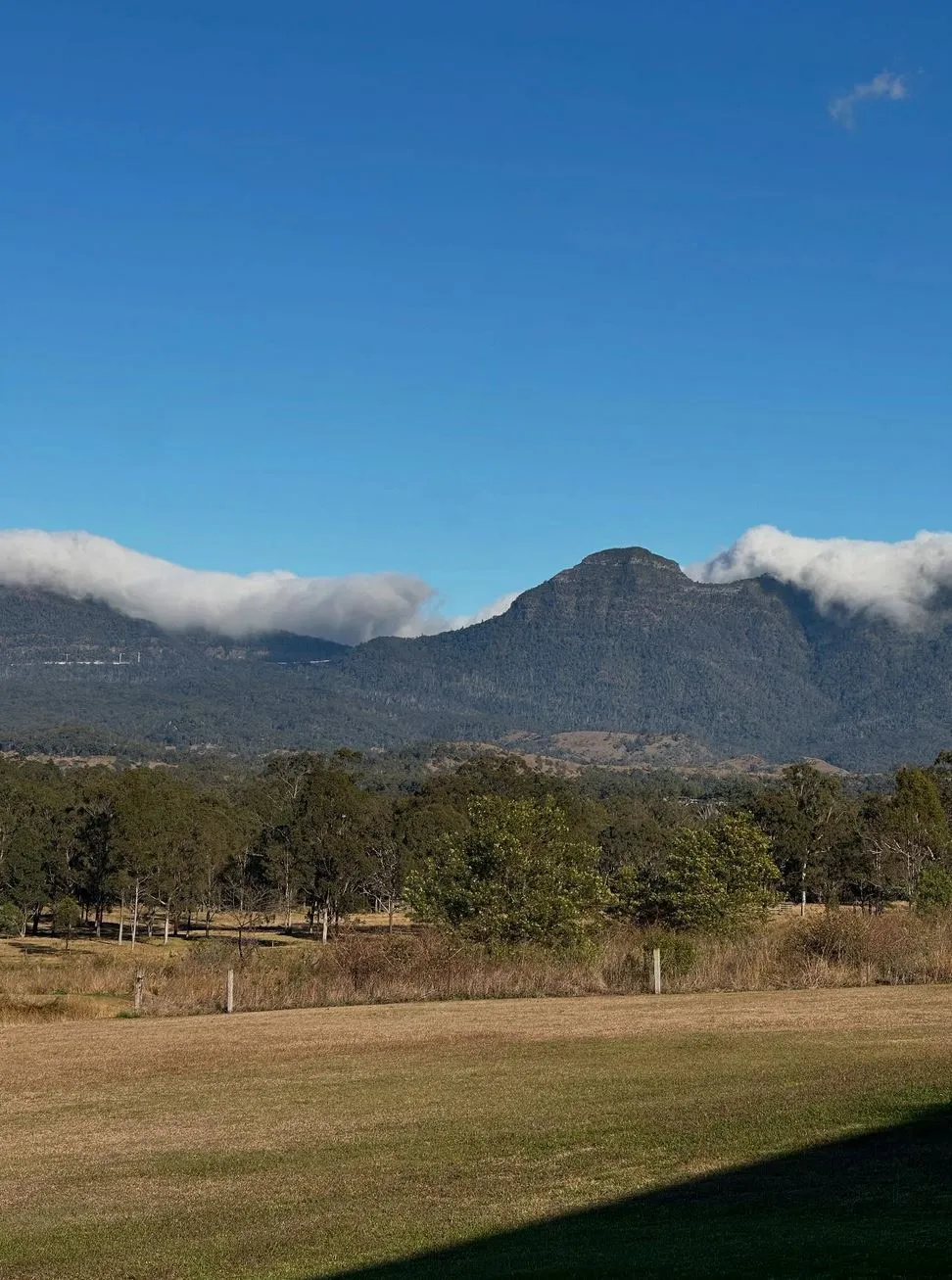
So where does it end? Officially, the Hunter Valley Zone under Australian Wine Law goes to the Liverpool Range north of Muswellbrook and the edge of the Great Dividing Range in the west. Practically, the traveller’s version ends where the vineyards run out and the cattle paddocks start.
If you’re driving, you’ll feel that boundary as the cellar doors thin out past Denman. It’s where the smell of fermenting grapes fades and the smell of dry hay takes over — where wine country says to the bush, “See you next vintage.”
Quick Stats on NSW Wine Country
| Fact | Detail |
|---|---|
| Oldest commercial vineyards | Early 1820s |
| Approx. area under the vine | 2,800 hectares |
| Annual visitors | ~2.5 million (NSW Tourism 2024) |
| Main grape varieties | Semillon, Shiraz, Chardonnay, Verdelho |
| Average annual rainfall | 750–900 mm |
| Distance from Sydney | 120 km to Cessnock, 250 km to Denman |
My Takeaway: It’s a Valley of Stories, Not Borders
After years of leading groups through these backroads, I no longer think of the Hunter as a line on a map. It’s more like a living story — each bend in the river adds another chapter. Whether you’re floating above it in a hot air balloon, sipping your way through a 1 Day Hunter Valley Wine Tour or watching the mist lift off the ranges, the valley doesn’t begin or end; it just keeps inviting you back.
Got your own tale from the Hunter? Email me — I’m always updating our field notes for Blue Mountains Tours and love hearing what travellers discover beyond the signposts.
FAQ
How long does it take to drive through the Hunter Valley?
About 3 hours from south to north, not including wine stops. Allow at least a full day, or join a 1 Day Hunter Valley Wine Tour to cover the highlights safely.
What’s the best time of year to visit?
March–May and September–November are the best for mild weather and grape harvest. Summer is hot as blazes; winter is crisp mornings and clear skies.
Are there National Parks near the vineyards?
Yes — Wollemi, Watagans and Barrington Tops National Park are all within easy reach, with bushwalking, lookouts and waterfalls.
Can I explore by bike or horseback?
Yes. The region has scenic cycling routes and trails popular with horseback riders around Pokolbin and Broke.
Is the Hunter Valley suitable for families?
Many estates welcome kids with gardens, picnic areas and animal encounters. Non-drinkers can enjoy helicopter rides, wildlife parks and outdoor community events.